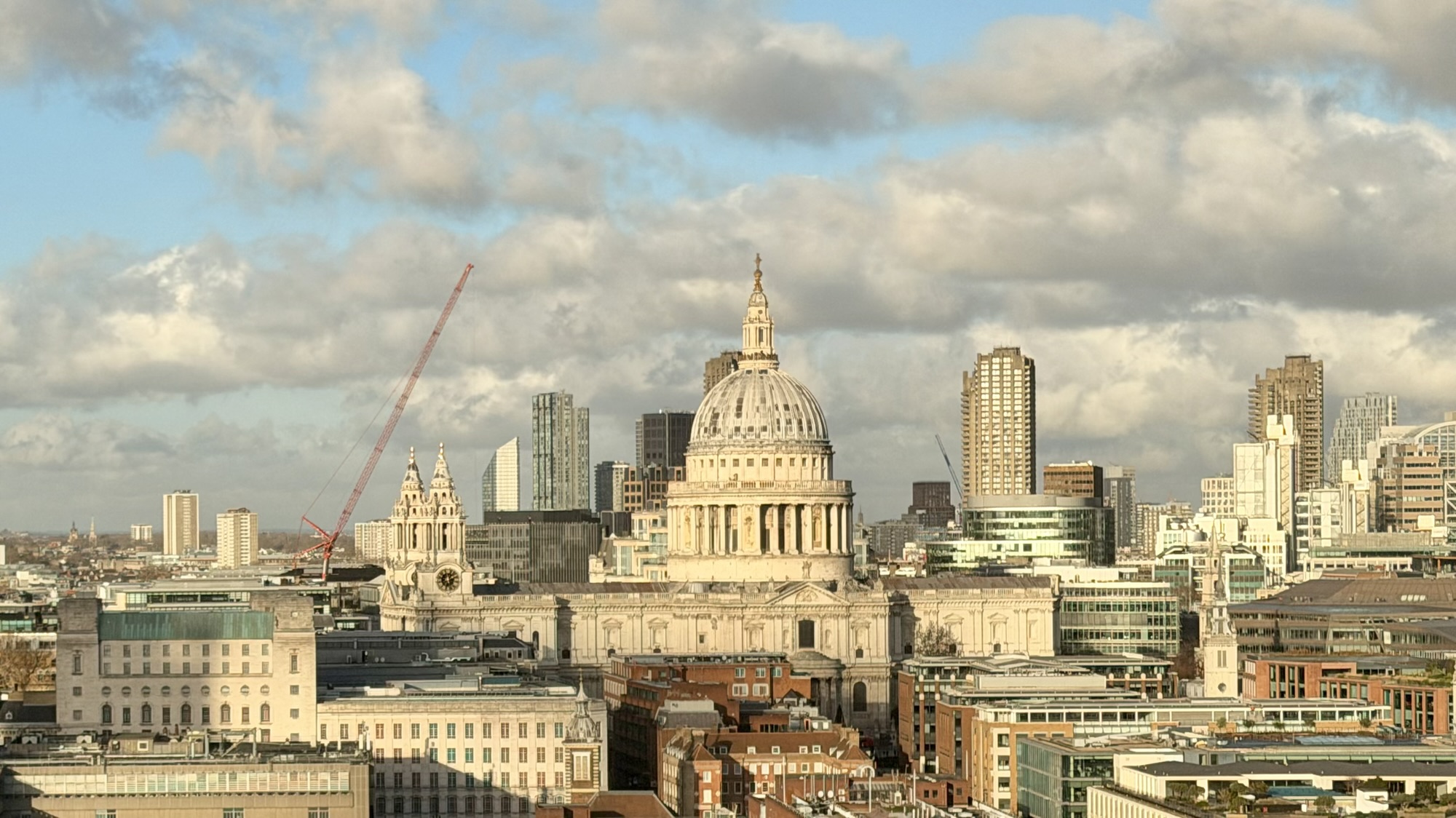

There is a particular kind of magic that occurs when the curtain rises on a European winter. While many seek the sun during the holidays, my compass inevitably points toward the cultural hubs where the lights of the stage—and the glow of the Christmas markets—offer a different kind of warmth. This past December and New Year’s, I embarked on a multi-city journey through London, Hamburg, Berlin, Lisbon, and Porto. It was a trip defined by world-class performances, poignant reunions, and the “refueling” of the artistic spirit.
If you’re planning a multi-city European winter trek, here is the breakdown of our journey through London, Hamburg, Berlin, Lisbon, and Porto.
Act I: London – The Theme of Home
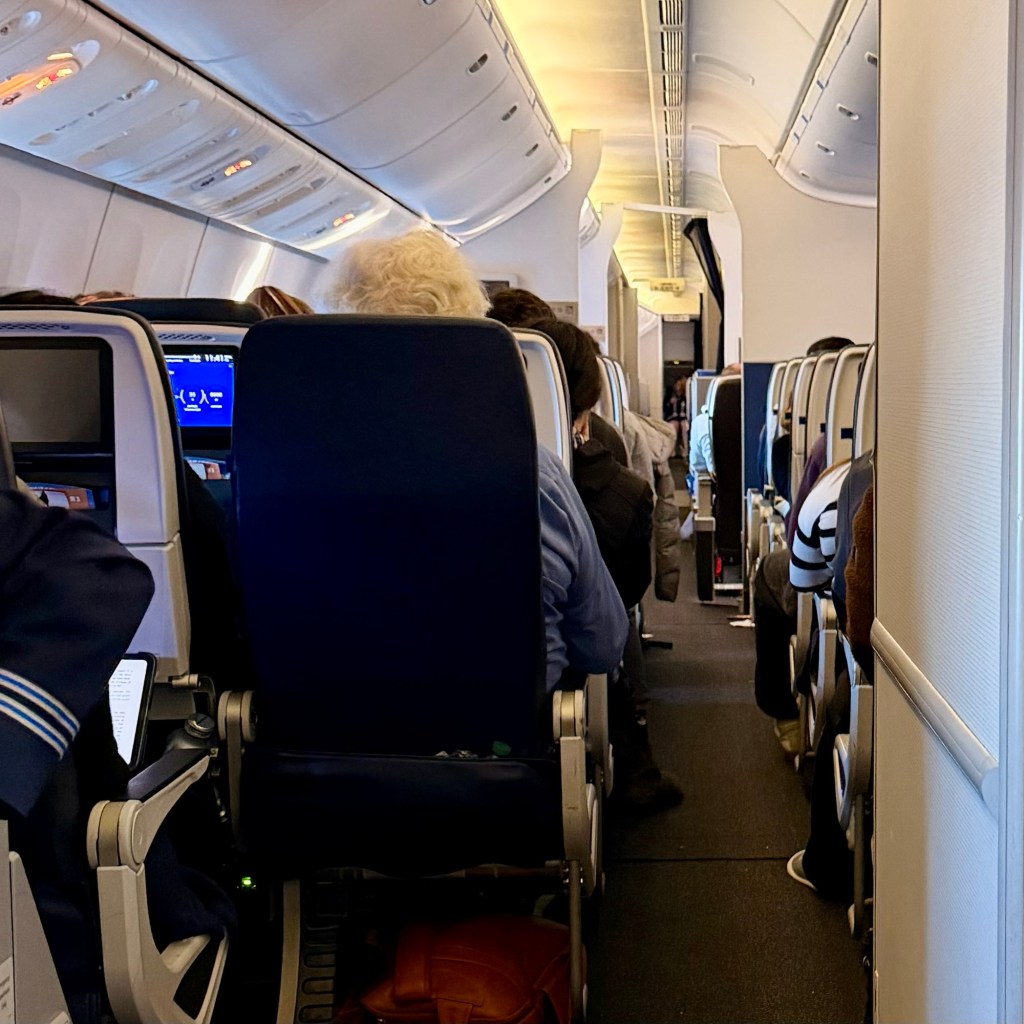
Our journey began with a transatlantic “prologue” from San Francisco to London. Despite a packed flight, I found myself in a seat that offered a rare luxury of legroom, though its proximity to the galley meant the constant choreography of flight attendants and the rhythmic glow of the cabin lights—a small price to pay for the excitement ahead.
London at Christmas is, quite simply, a masterclass in scenic design. We settled at the St. Martin’s Lane Hotel, a central hub that allowed us to immerse ourselves immediately in the West End’s festive pulse.
My primary objective for the first evening was to combat jet lag through the power of performance. I had booked tickets for “The Choir of Men” at the Arts Theatre. Having first encountered this show in 2019 at the Edinburgh Fringe, I was struck once again by the production’s profound heart. Beyond the high-energy pint-clinking and pub tunes, the show offers a deeply moving dialogue on the concept of “home.” When the closing notes of “Dance with My Father” filled the room, it struck a personal chord that resonated long after the final bow.

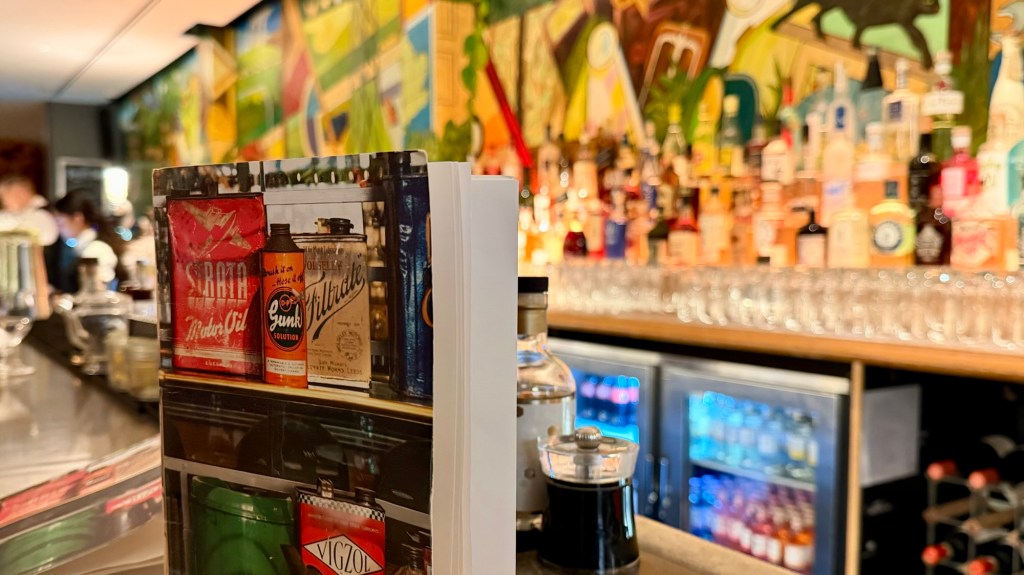
Before the show, we “refueled”—quite literally—at the Soho Hotel’s ReFuel restaurant. In honor of Firmdale Hotels’ 40th anniversary, I sampled the “Ruby Rascal,” a sophisticated floral twist on a gin cocktail with hints of lavender and elderflower. It was a delightful prelude to a weekend of cultural immersion.
The following day was a marathon of artistry. We spent an hour lost in the labyrinthine shelves of Waterstones Piccadilly, a five-story sanctuary for book lovers. After a walk through Trafalgar Square—where the unique diversity of London was on full display as Christmas carols were played on a sitar—we crossed the Thames to the Tate Modern. The “Performing Picasso” exhibition was a standout, offering a fascinating look at the artist’s public persona and his engagement with the stage. Seeing “The Three Dancers” in person was an unexpected highlight.

The evening brought the main event: “Les Misérables” at the beautifully renovated Sondheim Theatre. As a longtime aficionado of this Boublil and Schönberg masterpiece, I have high standards, and this cast exceeded them. Ian McIntosh delivered a powerful, nuanced Jean Valjean, matched by the commanding Javert of Jordan Simon Pollard. However, it was Amina El-Kindi as Eponine who truly stole the night; her rendition of “On My Own” was a masterclass in vulnerability—a true tearjerker that reminded me why this show remains the gold standard of musical theater.

Act II: Germany – Klirrende Kälte and Hometown Harmonies
From the West End, we transitioned to the sharper, more rhythmic atmosphere of Northern Germany. After a brief, chilly stop in Hamburg for Glühwein and Bratwurst by the Alster, and evening with a close friend, we took the train to my hometown, Berlin.

Arriving at Berlin Hauptbahnhof is always a homecoming for the soul. We stayed at the Westin Grand, a hotel that still carries the architectural gravity of its East German origins—built to impress and still succeeding. Berlin greeted us with klirrende Kälte (biting cold), with temperatures dipping to 12°F.
The city itself felt like a vast stage set. We visited the Gendarmenmarkt, arguably the most beautiful Christmas market in the center of Berlin, and the Gedächtniskirche (Kaiser Wilhelm Memorial Church). The juxtaposition of the preserved ruins of the old church against the modern, vibrant blue glass of the new chapel is a powerful visual metaphor for the city’s resilience.

Of course, no trip to Berlin is complete without culinary tradition. I satisfied a long-held appetite for Eisbein (pickled pork knuckle) at Nante Eck on Unter den Linden, an old-world setting that felt perfectly “Berlin.” The highlight of this leg, however, was the “intermission” spent at my parents’ home, indulging in my mother’s classic Christmas cheesecake and cookies—a tradition that no world-class restaurant can ever hope to replicate.
Act III: Portugal – Fado, Tiles, and the Atlantic Sunset
The final act of our journey took us south to the tiled hills of Lisbon. After the freezing temperatures of Berlin, the Portuguese air felt like a warm embrace, though the Atlantic breeze still required a layer or two.
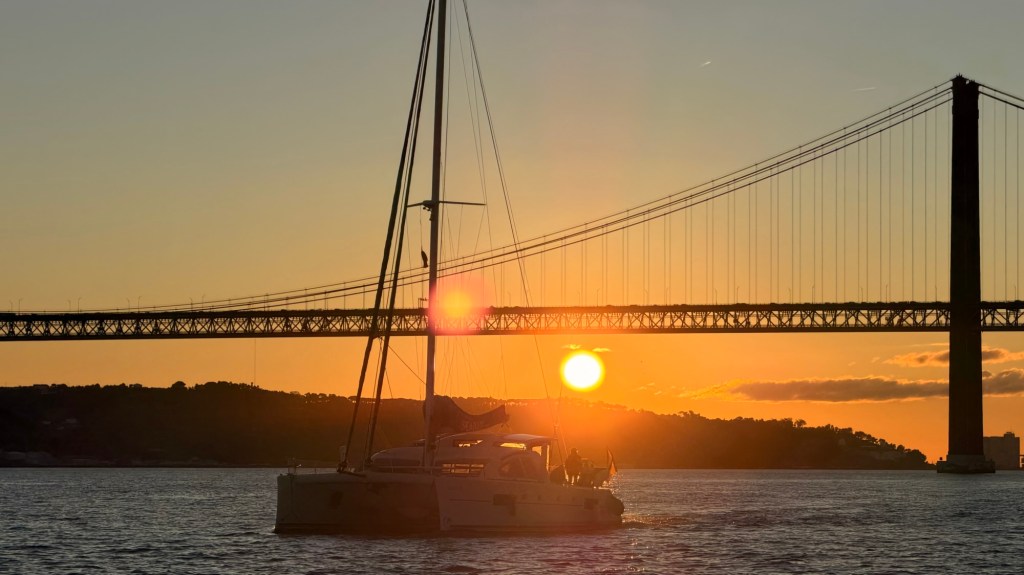
We immersed ourselves in the local “folk theater” with a Fado show. Learning about the history of this melancholic, expressive genre provided the necessary context to appreciate the soul of the city. Lisbon is a city of perspectives; we climbed to the Castelo de São Jorge, where peacocks roam the ramparts, and later took a sunset tour of the harbor. Seeing the Padrão dos Descobrimentos (Monument to the Discoveries) and the Cristo Rei statue from the water offered a new vantage point on the city’s maritime legacy. Interestingly, the bridge across the Tagus, with its striking red hue, made us feel right at home—a European twin to our own Bay Bridge with with the color of the Golden Gate.
Our exploration continued with a day trip to Sintra. The Moorish and Spanish influences on the architecture created a fairytale-like environment. A lunch of sea bass at Incomum by Luis Santos and a stop at the legendary Casa Periquita bakery were essential stops in this scenic detour.
Finale: Porto – A Bohemian Culinary Performance
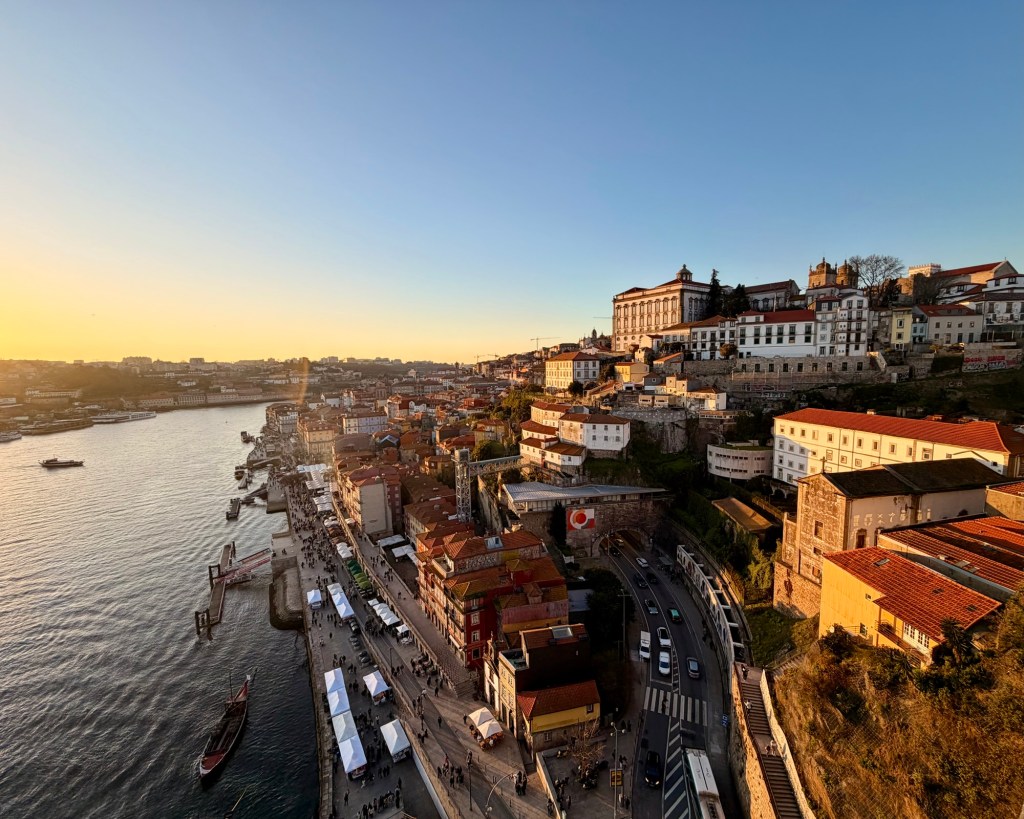
The journey concluded in Porto, a city with a rugged, bohemian charm that serves as a perfect counterpoint to Lisbon’s elegance. We stayed at the historic GA Palace Hotel, but the star of the show was the Douro River.
We enjoyed an extraordinary dinner at Vinum, located at the Graham’s Port Winery. Despite a minor “scheduling error” on my part (the German passport doesn’t always guarantee perfect planning!), the staff accommodated us with grace. The suckling pig and the seemingly bottomless bottle of Port, paired with a view of the city lights reflecting on the water, was a sensory finale I won’t soon forget.
Our final day was a hands-on experience at Canto Cooking. Starting with a trip to the Mercado do Bolhão to source fresh oysters and spices, we participated in a cooking class with six others. We prepared a traditional Portuguese spread: clams, codfish, and flamed chorizo (alianca vela). A fascinating takeaway was learning that “Japanese-style” breaded green beans actually originated in Portugal and were exported to Japan—a reminder of the global exchange of culture that mirrors the exchange of stories on a stage.
As we drove back to Lisbon for our flight home, I reflected on the themes of the trip. From the barricades of 19th-century Paris in a London theater to the medieval walls of Óbidos and the quiet corners of my childhood home in Berlin, this holiday was a reminder that travel, like theater, is at its best when it connects us to the universal themes of home, history, and the shared human experience.
Curtain down on a magnificent 2025. I can’t wait to see what’s in the wings for next year.
 StageAficionado